
Exploring the art of casino design Elements that captivate and engage visitors
The Psychological Impact of Casino Layout
The layout of a casino plays a significant role in influencing visitor behavior. A well-planned design can entice patrons to explore various gaming options, keeping them engaged for extended periods. For instance, pathways are often strategically designed to create a flow that encourages movement toward key areas such as slot machines, table games, and entertainment zones. Additionally, visitors might find helpful resources at https://stakelogin.ca/ that facilitate their gaming journey. By incorporating eye-catching elements, casinos can lead guests on a journey, making them feel as though they have discovered hidden gems around every corner.
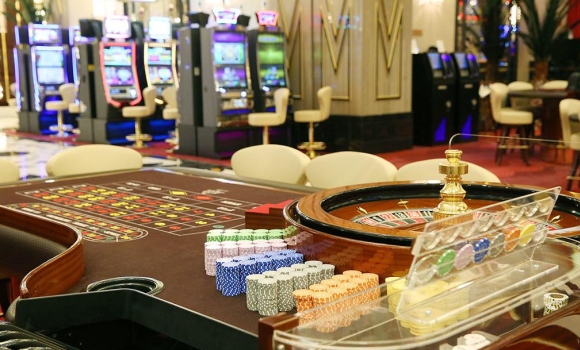
Moreover, color schemes and lighting choices significantly impact mood and emotions. Bright, vibrant colors are often used in high-energy areas to enhance excitement, while softer tones can create a more relaxed ambiance in lounges or dining areas. Effective casino design takes these psychological factors into consideration, using them to maximize engagement and ensure that guests have a memorable experience. The integration of sensory elements such as sound and smell can further elevate the overall atmosphere, creating a multi-dimensional experience.
The strategic placement of gaming tables and machines also promotes social interaction. For example, positioning slot machines close to popular lounges or bars encourages guests to mingle and share their experiences. This social aspect not only enhances the enjoyment of gaming but also fosters a sense of community among players. By understanding the psychological effects of layout and design, casinos can create an environment that keeps visitors captivated and coming back for more.
Theme and Aesthetics: Creating an Immersive Experience
Thematic design is a hallmark of successful casinos, allowing them to create a unique identity that resonates with guests. Whether inspired by ancient civilizations, glamorous Hollywood, or futuristic concepts, themes evoke emotions and set the tone for the entire casino experience. These themes manifest through decor, architecture, and even staff uniforms, cohesively crafting an immersive environment that engages visitors on multiple levels.
For instance, a casino themed around a tropical paradise might incorporate lush greenery, vibrant colors, and water features to evoke a sense of escapism. Such details not only captivate guests but also encourage them to explore the casino further, enhancing the time spent on-site. The attention to detail in such environments makes each visit feel like a unique adventure, drawing in a diverse clientele who appreciate novelty and various forms of gambling.
Aesthetic choices also extend to technology integration, such as interactive displays or augmented reality elements. These modern advancements create immersive experiences that appeal to tech-savvy visitors while enhancing traditional gaming. By carefully balancing theme with cutting-edge design, casinos can effectively captivate visitors and create lasting memories, ensuring they return to relive the experience.
Strategic Use of Space and Amenities
In modern casino design, strategic use of space is paramount. Open layouts can create a sense of freedom, allowing guests to navigate easily without feeling confined. However, incorporating cozy nooks or semi-private areas can provide visitors with a sense of intimacy, especially for social gatherings or high-stakes games. Understanding how to balance open spaces with intimate areas enhances the overall visitor experience, allowing for various social dynamics to flourish.
Casinos also cater to a wide array of preferences by offering diverse amenities, such as gourmet dining options, luxury shopping, and live entertainment. These amenities serve as an enticing complement to the gaming experience, encouraging visitors to extend their stay. A well-designed casino often features lounges and bars where guests can relax and socialize, which fosters a more communal atmosphere and encourages longer visits.
Furthermore, accessibility is a key consideration in design. Thoughtful pathways, elevators, and signage ensure that all guests, including those with mobility challenges, can navigate the space comfortably. By prioritizing inclusivity, casinos can engage a broader audience, enhancing overall guest satisfaction and loyalty. This commitment to a well-rounded experience is essential for creating an inviting environment that captivates all visitors.
Leveraging Technology for Enhanced Engagement
Technology plays an increasingly vital role in casino design, shaping how visitors interact with gaming experiences. From advanced slot machines with immersive graphics to mobile apps that enhance the overall experience, technology can significantly elevate engagement levels. Interactive elements, such as touchscreen displays and virtual reality gaming, not only capture attention but also create unique experiences that appeal to a diverse audience.
Moreover, casinos are now utilizing data analytics to personalize the guest experience. By tracking preferences and behavior, casinos can tailor promotions, gaming options, and amenities to suit individual visitors. This personalized approach makes guests feel valued and appreciated, leading to a deeper connection with the casino brand. Understanding how technology can enhance visitor engagement is crucial for modern casino design.
Additionally, the integration of social media sharing capabilities allows guests to showcase their experiences, further promoting the casino. As guests share their gaming victories or showcase unique features, it creates organic marketing opportunities that attract new visitors. By leveraging technology in thoughtful and engaging ways, casinos can create an interactive environment that resonates with modern players, ensuring they remain captivated throughout their visit.

Understanding the Role of Online Platforms in Casino Engagement
With the rise of online gambling, traditional casinos face unique challenges and opportunities. The design elements that make brick-and-mortar casinos successful must evolve to incorporate the digital landscape. Online platforms provide convenience, offering players the chance to engage in gaming experiences from the comfort of their homes. However, brick-and-mortar casinos must compete by creating experiences that cannot be replicated online.
In response, many casinos are developing hybrid models that blend physical and online experiences. This may include offering exclusive promotions for guests who also participate in online gaming or creating mobile apps that enhance the in-casino experience. By embracing technology, casinos can engage visitors in new ways, fostering loyalty while attracting a broader audience.
Furthermore, online platforms provide valuable insights into player preferences and behavior. This information can inform casino design and operations, allowing for more strategic planning and execution. By recognizing the need to adapt to the digital age, casinos can create captivating environments that resonate with both physical and online visitors, ensuring sustained engagement and growth.